
What is obesity?
The definition of obesity is a body mass index (BMI) of 30 or greater. BMI is calculated by dividing your weight in kgs by the square of your height in metres. And surprisingly, it’s easier to hit a BMI of 30 than you might think!
Obesity is a contributing factor in joint wear and tear, especially in the knee, and therefore is common in patients we see in clinic with arthritis. So what are the implications of obesity in hip and knee replacement surgery?
Well, the risk profile of surgery is greater. The operation can take longer, blood loss is likely to be greater, and blood oxygen levels lower, amongst other things. This can lead to an increase in surgical wound healing problems and a higher rate of infection. In hip replacement, the risk of dislocation (the hip popping out of joint) is higher. Given the additional load going through the new joint, it is also likely that the your new hip or knee won’t last as long.
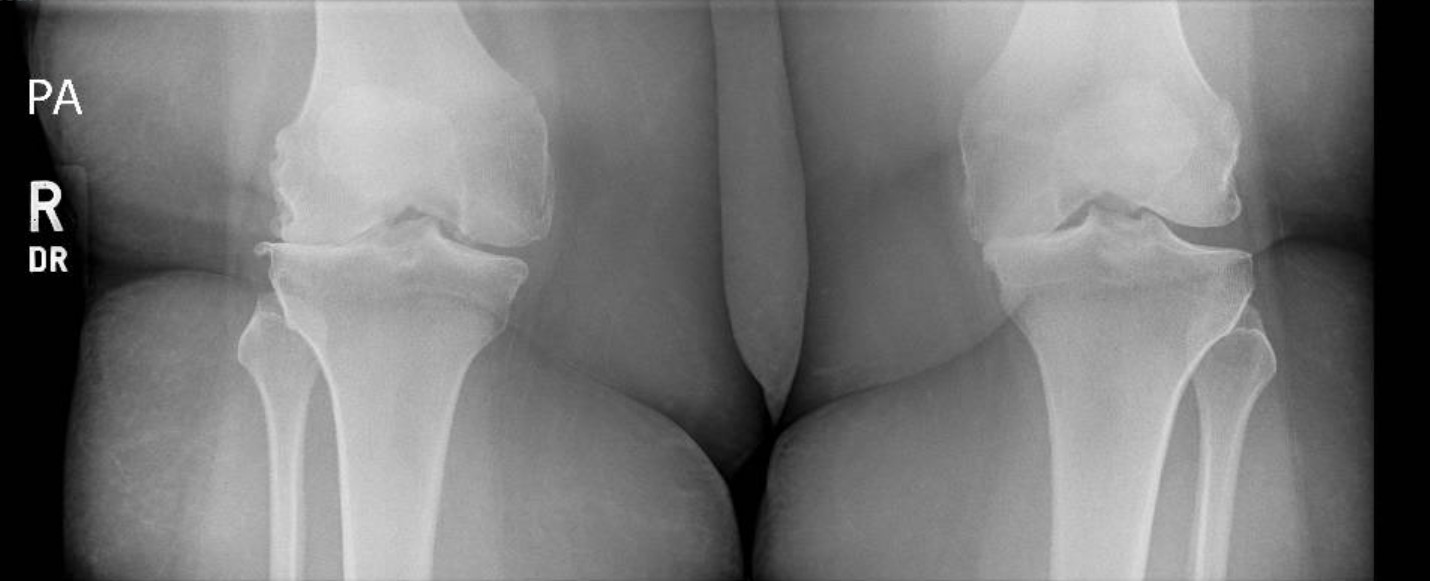
Many studies have shown higher rates of complications and generally poorer outcomes in obese patients (especially when BMI rises above 35), including less good pain relief. Many commissioning groups are reluctant to fund hip or knee replacement operations on the NHS unless the patient engages in a weight reduction programme prior to listing for surgery. Given that such patients often have very poor mobility because of the pain from their arthritis, this is a tall order.
Clearly losing weight prior to surgery is desirable and any weight reduction will be beneficial. But does being significantly overweight mean you can’t have a hip or knee replacement? Despite the increased risks of a poorer outcome, there is little doubt that patients with obesity can still achieve good benefits in terms of pain relief and improvements in quality of life. This is a discussion that you will have with your surgeon and the anaesthetist prior to your operation.
I personally have operated on many patients with obesity with excellent outcomes. It is certainly better not to become overweight in the first place, but the benefits of hip and knee replacement surgery can still alter your future life for the better.